


A Utah park has become the site of growing worry as one person has spoken out about the human impact on local wildlife.
What's happening?
For years, Farmington resident Lorri Blanc has visited Farmington Pond to feed the ducks and geese with species-specific grain and clean up trash. But her peaceful routine was shattered one week when she found a duck so severely injured by fishing line that it had to be euthanized.
"It makes me really sad," Blanc told Fox 13. "It's unnecessary. It shouldn't have to happen."
Farmington Pond has seen an influx of dumped domestic ducks, as well as increasing amounts of trash, fishing line, and other debris that threaten both wildlife and the pond's water quality. Blanc says she regularly fills one to two bags of trash each time she visits, picking up discarded cans, tangled hooks, and lines that can maim or kill birds.
Animal rescue group Wasatch Wanderers says people abandoning domesticated ducks often don't realize they cannot survive in the wild, and it's made even worse by the human waste left behind.
Why is this concerning?
Domestic ducks lack the skills to forage or defend themselves, leaving them terrified and vulnerable when they are abandoned by their owners. On top of that, plastic pollution and fishing gear are known to harm wildlife and degrade water quality.
Save $10,000 on solar panels without even sharing your phone number Want to go solar but not sure who to trust? EnergySage has your back with free and transparent quotes from fully vetted providers that can help you save as much as $10k on installation. To get started, just answer a few questions about your home — no phone number required. Within a day or two, EnergySage will email you the best local options for your needs, and their expert advisers can help you compare quotes and pick a winner. |

Sadly, this isn't an isolated case. In California, for instance, rescuers raced to save a heron tangled in fishing line. In another case in England, a father and son found a tawny owl caught in fishing line.
Plastic pollution also contributes to the global microplastics problem. Microplastics disturb marine ecosystems and end up in our water, soil, food, and bodies.
What's being done about it?
Groups like Wasatch Wanderers are working hard to rescue, rehabilitate, and rehome dumped ducks — but prevention is the best route to saving these animals. That means educating the public about the lifelong responsibility of pet ownership and the dangers of abandoning animals in the wild. People can also help by reporting animal dumping when they see it.
Additionally, plastic pollution is a threat to local communities as well as wildlife. The best way to curb this issue is by helping people learn about their recycling options and by using less plastic altogether.
TCD Picks » Upway Spotlight
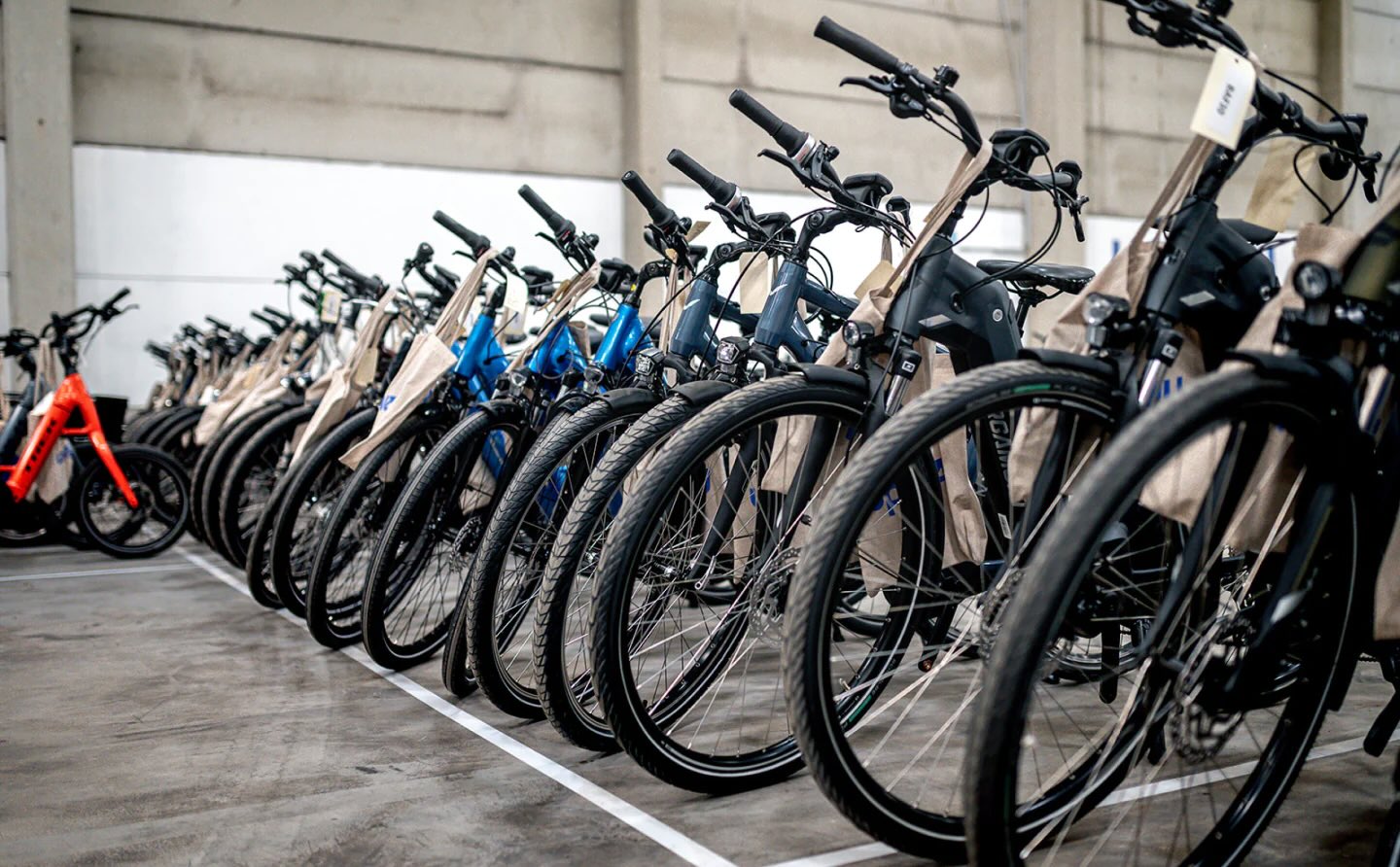
💡Upway makes it easy to find discounts of up to 60% on premium e-bike brands




Individuals can help in their communities by joining local clean-up efforts and recycling or using designated bins to dispose of fishing line and hooks. Simple steps like these protect both the birds and the people who care for them.
|
Do you think our power grid needs to be upgraded? Click your choice to see results and speak your mind. |
 Definitely 👍
Join our free newsletter for good news and useful tips, and don't miss this cool list of easy ways to help yourself while helping the planet.
Cool Picks