

As the U.S. Department of Energy has outlined, there is major energy- and money-saving potential for households that install heat pumps.
The scoop
Heat pumps are becoming more popular due to their environmentally friendly energy conservation and the resulting cost savings for households as opposed to traditional HVAC systems.
Heating and cooling your home is a substantial part of your energy bill. Heat pumps are helpful year-round, providing cooling in the summer and heating in the winter.
A heat pump is an energy-efficient alternative to a traditional furnace or air conditioner. They use electricity to transfer heat from a cool space to a warm space. They move heat from your home to the outdoors during warm weather and shift heat from the air, water or ground outside and bring it inside when it's cold.
Since heat pumps are transferring air rather than heating or cooling air, they are significantly more energy-efficient than traditional heating and cooling systems. As the Department of Energy blog said, "Depending on the size of your home, local climate, and how energy efficient your home is, savings can average over $500 per year."
How it's helping
The blog stated that heat pumps can reduce your energy usage by up to 50% and can save up to 7.6 tons of carbon pollution per year, reducing your home's carbon footprint. If more Americans upgrade to using a heat pump, the environmental impact would be significant.
Because the energy usage is so much lower than traditional heating and cooling systems, installing a heat pump can bring you lower energy bills and big cost savings. Combine that with making your home a smart home and using weatherization methods such as insulation or dual-paned windows, and you can save even more money.
In addition, through the Investing in America Plan, homeowners are eligible for federal tax credits when they install heat pumps — up to 30% of the cost of the unit, up to $150. Some states provide additional rebates.
Save $10,000 on solar panels without even sharing your phone number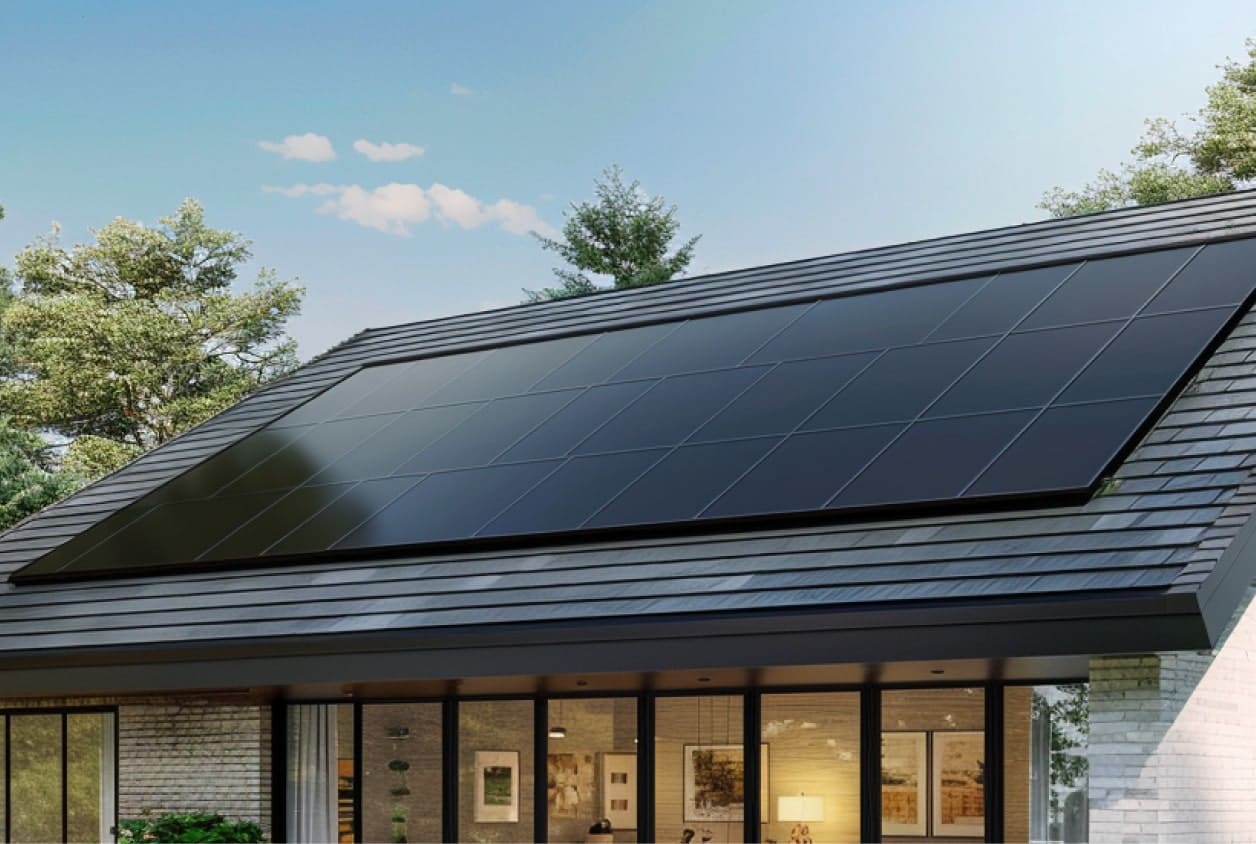 Want to go solar but not sure who to trust? EnergySage has your back with free and transparent quotes from fully vetted providers in your area. To get started, just answer a few questions about your home — no phone number required. Within a day or two, EnergySage will email you the best options for your needs, and their expert advisers can help you compare quotes and pick a winner. Solar panels can save you more than $50k over their 25-year lifespan, and EnergySage can help you save as much as $10k on installation. Which begs the question — isn't that worth an email or two? |

Though the environmental and cost benefits of upgrading to a heat pump will increase over time, tax benefits and Inflation Reduction Act incentives may not be available forever. The current administration intends to eliminate the subsidies. Though major changes to the IRA would require an act of Congress, the future of these incentives is not clear.
How to take advantage yourself
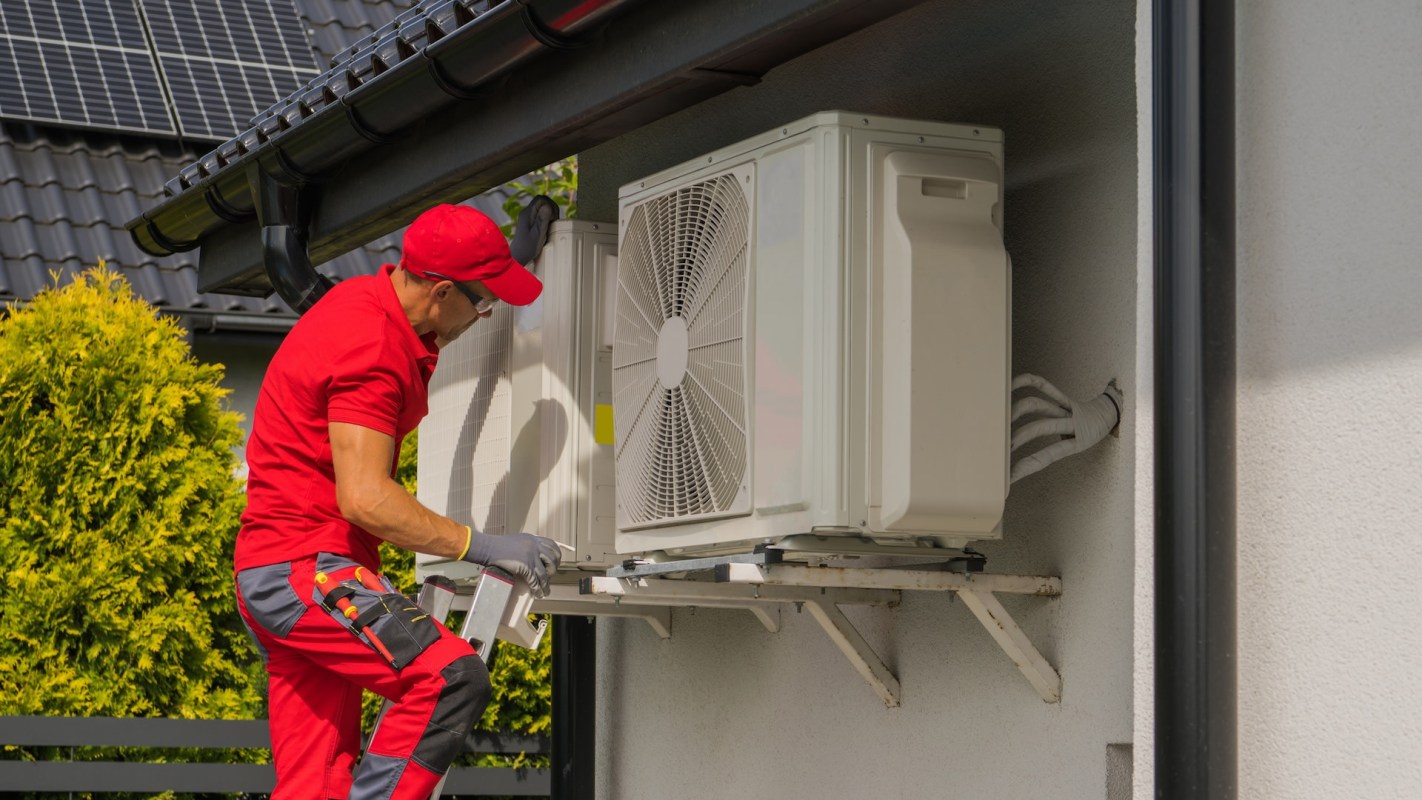
Upgrading to a heat pump in your home can be easy, once you do a bit of research. A home energy audit can be helpful for you to discover your savings potential and make additional upgrades to support the environment and lower your energy bill.
|
Which of these factors would most effectively motivate you to buy a heat pump? Click your choice to see results and speak your mind. |
 Lower energy bills 💰
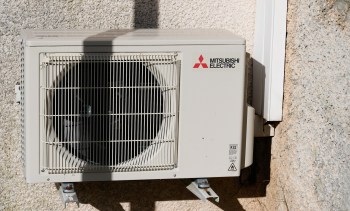
 While it may seem complicated to find the right heat pump installer, there are tools to help you find an efficient system at the right price. For example, Mitsubishi can help you connect with trained professionals in its trusted network.
Consider installing a heat pump as an eco-friendly, energy-efficient way of regulating your home's temperature. You can help save the planet while saving money.

Join our free newsletter for easy tips to save more and waste less, and don't miss this cool list of easy ways to help yourself while helping the planet.
Cool Picks