

A car expert has revealed which electric vehicles could soon lap Tesla, whose reign as a tastemaker and EV pioneer has appeared to be on shaky ground over the first half of 2025.
At the beginning of the year, InsideEVs' Andrei Nedelea broke down the best Tesla alternatives for consumers who are intrigued by the benefits of driving an EV. According to Nedelea, a competitive EV market may also pique the interest of drivers who already own a Tesla.
"Although [Tesla's] EVs are still among the best, competing automakers have caught up and have even surpassed Tesla in some areas," Nedelea wrote. "Buying the best EV isn't as simple as just loading up the Tesla site and ordering one anymore."
For drivers interested in a Model 3, Nedelea recommended considering the BMW i4, which features a range of up to 307 miles on a single battery charge. One downside, however, is that the BMW i4 is heavier than the Model 3, so its navigation on winding roads isn't as smooth. The aerodynamic Hyundai Ioniq 6 and the upgraded Polestar 2 are other options to look into.
TCD Picks » Upway Spotlight
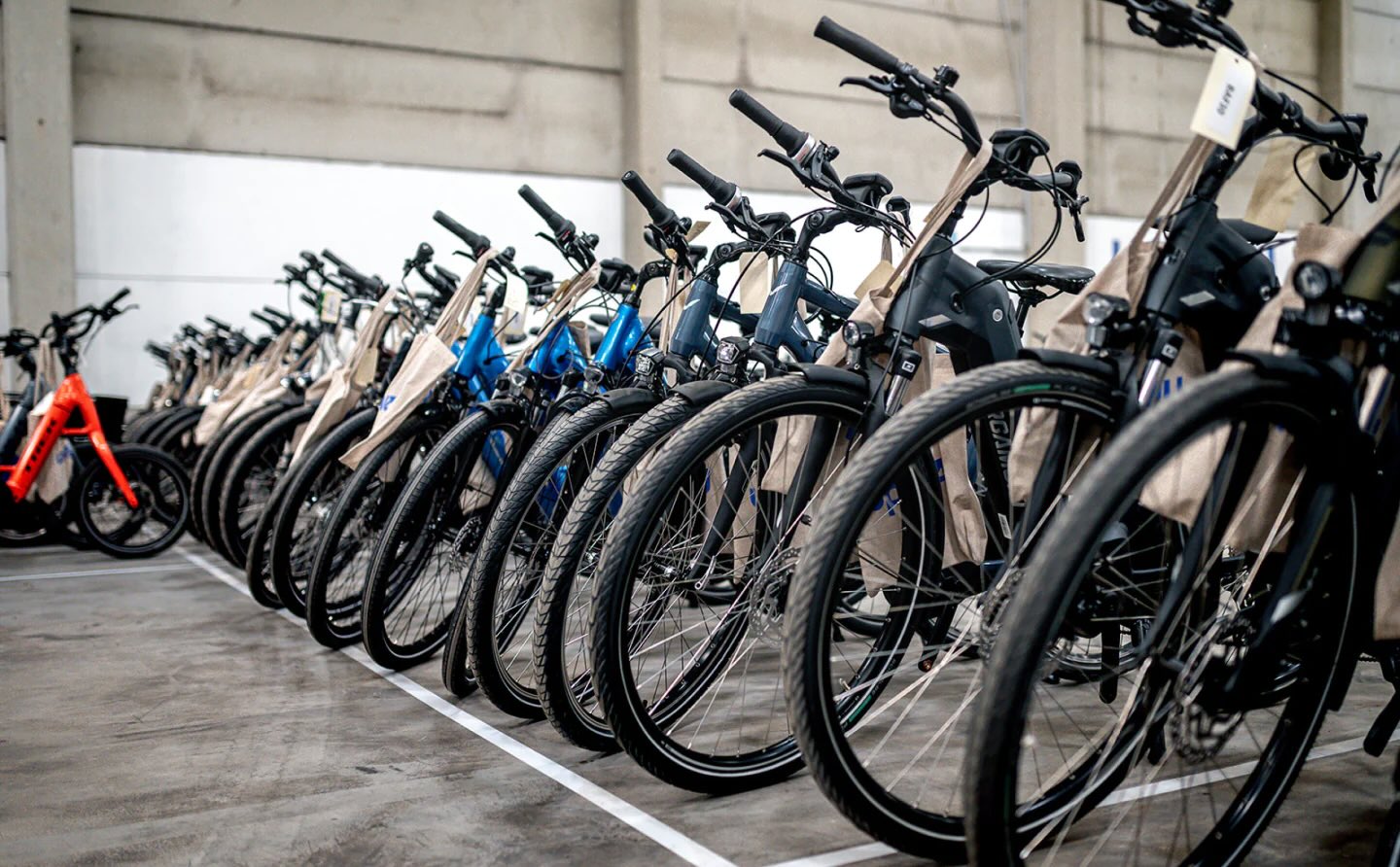
💡Upway makes it easy to find discounts of up to 60% on premium e-bike brands



For Model Y enthusiasts, Nedelea suggested considering the Hyundai Ioniq 5, Kia EV6, Ford Mustang Mach-E, Chevrolet Equinox EV, and Polestar 4.
Those interested in a Model S may appreciate the BMW i5, Audi A6 e-tron, and Lucid Air. Nedelea also listed pricier models such as the Porsche Taycan.
Meanwhile, automakers such as Rivian, Polestar, BMW, Kia, and Ford offer alternatives for consumers interested in a Model X or a Cybertruck. Nedelea provided a more detailed breakdown of the pros and cons, but regardless of the EV brand, there are undeniable perks to saying goodbye to a gas-powered vehicle, including reduced maintenance and energy costs.
Installing solar panels can further maximize these savings because charging with them at home is cheaper than using public stations or the grid. EnergySage can help homeowners compare quotes from trusted installers and save up to $10,000 on installation costs.
Save $10,000 on solar panels without even sharing your phone number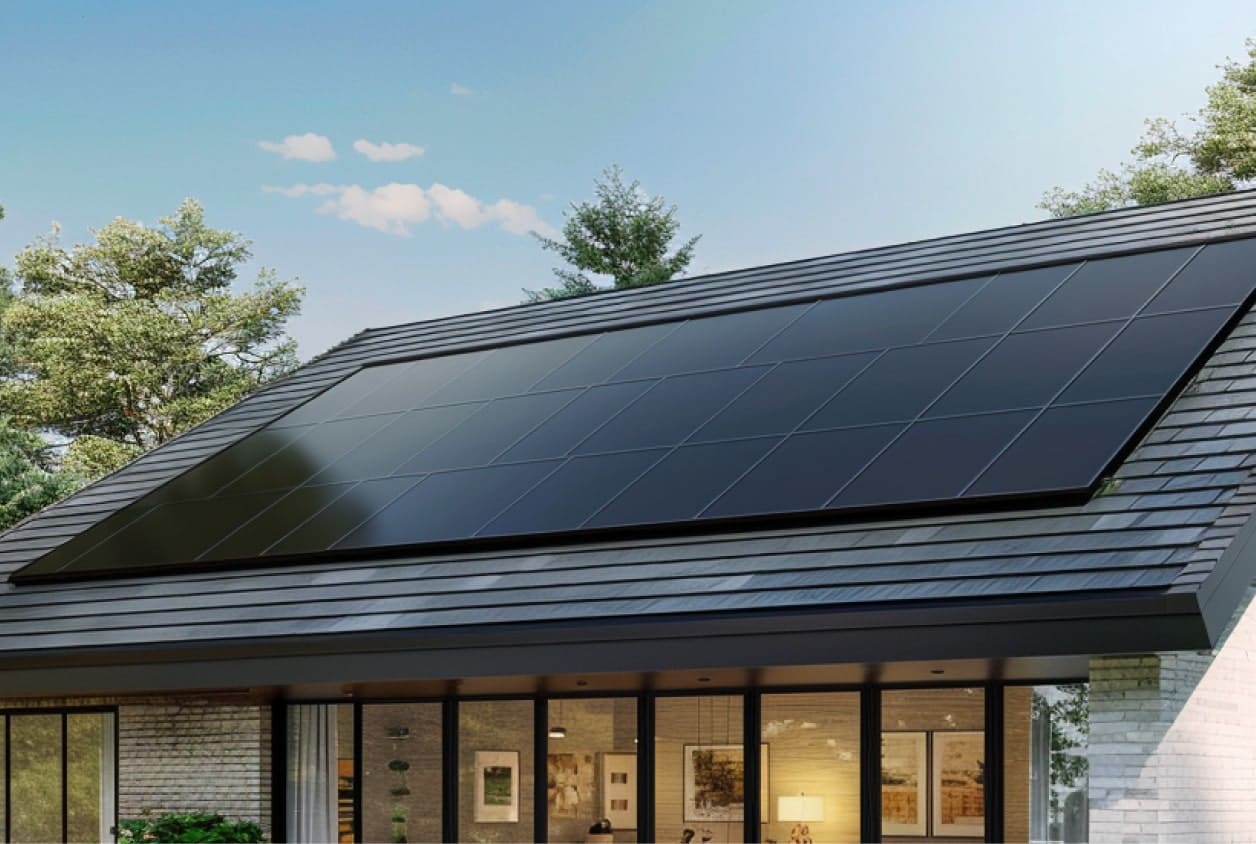 Want to go solar but not sure who to trust? EnergySage has your back with free and transparent quotes from fully vetted providers in your area. To get started, just answer a few questions about your home — no phone number required. Within a day or two, EnergySage will email you the best options for your needs, and their expert advisers can help you compare quotes and pick a winner. Solar panels can save you more than $50k over their 25-year lifespan, and EnergySage can help you save as much as $10k on installation. Which begs the question — isn't that worth an email or two? |

There's an important caveat, though. The One Big Beautiful Bill Act, passed on July 4, is eliminating many green tax credits by the end of 2025, including the 30% savings on solar panels. Acting now could save you major money on solar in the long run.
Yet while tax incentives for green home improvements are on the way out, the Home Electrification and Appliance Rebates program has remained intact.
|
Would you be more likely to get an EV if it came with a free home charger? Click your choice to see results and speak your mind. |
 Definitely 👍
 For instance, you'll still have access to up to $840 off the cost of an induction range. These next-gen stovetops are gaining buzz among home cooks and professional chefs due to their faster cooking times, energy efficiency, safety features, and affordability — particularly when compared with gas stoves.
If installing a full induction range isn't for you, you can still gain access to one with a plug-in induction burner, which is more along the lines of a hot plate. Some models start as low as $50.
Regardless of how you choose to go green, ditching technologies that rely heavily on gas will contribute to healthier air quality and a cleaner future for all.

Join our free newsletter for good news and useful tips, and don't miss this cool list of easy ways to help yourself while helping the planet.
Cool Picks